

How to Pick Lighting for My Outdoor Space: A Complete Beginner’s Guide
Designing a beautiful, functional outdoor space doesn’t end with neat landscaping or stylish patio furniture. The right outdoor lighting turns a plain yard into a warm, inviting retreat after sunset, while also boosting safety and home security. Many homeowners struggle with outdoor lighting choices: they either pick fixtures that are too dim or overly harsh, mismatch light styles with their space, or end up with low-quality lights that fail quickly in outdoor weather.
If you’re wondering how to pick lighting for my outdoor area, this step-by-step guide covers all the key factors from functional needs and light types to color temperature and durability. We’ve also included a detailed comparison table to help you quickly match lights to your garden, patio, pathway, and yard spaces, making your purchase simple and targeted.
1. Start With Your Core Outdoor Lighting Goals
Before browsing countless outdoor light fixtures, clarify your main needs. Every outdoor space requires a balanced mix of three core lighting purposes, and defining your priorities will eliminate most unsuitable options at once.
Safety & Security: This is the most fundamental function of outdoor lighting. Pathways, staircases, front doors, and driveways need steady, glare-free illumination to prevent trips and falls. Well-lit exteriors also deter trespassers and improve overall home safety, with fixtures ideally mounted 8–12 feet high to avoid tampering and ensure wide coverage.
Functional Task Lighting: Focus on activity zones. Patio dining areas, outdoor kitchens, and work benches need bright, focused light to support nightly activities like dining, grilling, or gardening.
Decorative & Ambient Lighting: This builds your yard’s unique vibe. Soft, warm lights highlight landscape features like trees, flower beds, and sculptures, creating a cozy, relaxing atmosphere for family gatherings and casual leisure.
2. Choose the Right Light Type for Different Zones
Different outdoor areas demand specific fixture types. Using the wrong light will lead to poor usability or wasted costs. The table below breaks down the most popular outdoor lighting fixtures, their best-use scenarios, pros, and key tips for residential yards.
|
Light Fixture Type
|
Best Outdoor Zones
|
Core Benefits
|
Purchasing & Installation Tips
|
|---|---|---|---|
|
Path Lights
|
Garden walkways, driveways, stair edges, yard borders
|
Low-glare, uniform illumination; prevents falls; defines yard layout; low energy consumption
|
Space 4–6 feet apart; choose 12V low-voltage models for safe DIY installation; avoid overly bright bulbs to prevent light pollution
|
|
Spotlights & Uplights
|
Tall trees, garden statues, architectural walls, water features
|
Highly adjustable angle; highlights focal points; adds depth and layering to night landscapes
|
Opt for dimmable LED versions; angle lights upward gently to avoid glare; use waterproof casings for open garden areas
|
|
String & Festoon Lights
|
Patios, pergolas, outdoor dining areas, backyard leisure zones
|
Soft ambient glow; decorative and festive; flexible layout; instantly upgrades cozy vibes
|
Choose weatherproof cords and shatterproof bulbs; LED options save 80–90% more energy than traditional filament lights
|
|
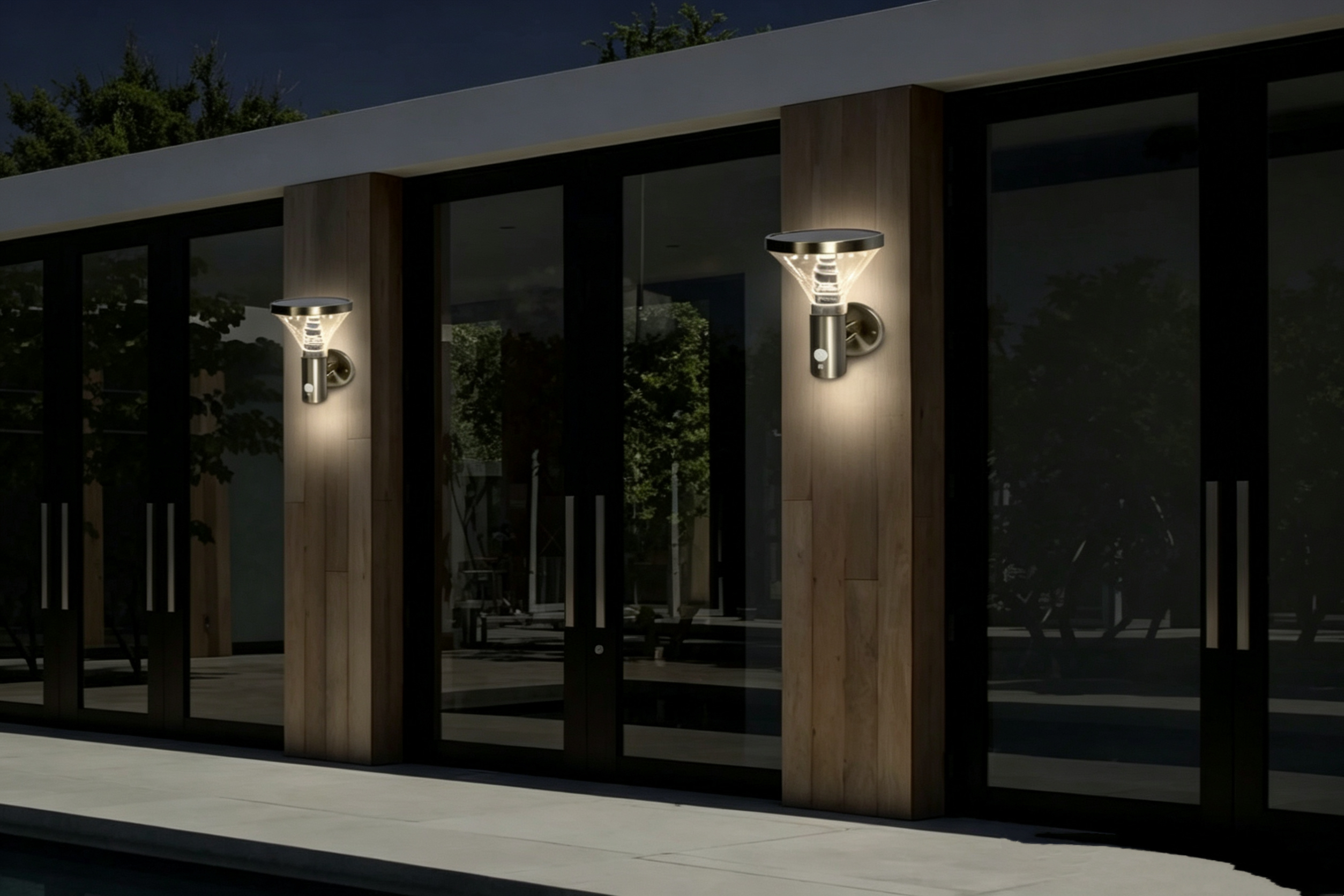
Wall Sconce Lights
|
Front doors, porch walls, garage entrances
|
Dual function of security and decoration; saves ground space; durable and long-lasting
|
Match home exterior style; select IP44+ waterproof rating; avoid downward harsh glare to protect eye comfort
|
|
Solar Garden Lights
|
Flower beds, lawns, remote garden corners
|
Wire-free installation; zero electricity bills; eco-friendly; highly flexible placement
|
Ensure sufficient daily sunlight exposure; pick models with large-capacity batteries for all-night lighting
|
3. Master Color Temperature for Perfect Outdoor Vibes
Color temperature (measured in Kelvin, K) is one of the most overlooked yet critical factors that decide whether your outdoor space feels cozy or harsh. Many homeowners make the mistake of using cool white lights everywhere, which makes yards feel cold and unwelcoming.
2700K–3000K (Warm White): The most ideal temperature for most residential outdoor spaces. It delivers a soft, warm amber glow that mimics sunset light, perfect for patios, gardens, and leisure areas. It creates a relaxing, intimate atmosphere and flatters plant and home exterior colors naturally.
3000K–4000K (Neutral White): Balanced brightness with no obvious color cast. Suitable for functional areas like driveways, staircases, and garage zones where clear visibility is needed without harshness.
4000K–5000K (Cool White): Ultra-bright and clean. Only recommended for pure security zones such as backyards and dark corners. Avoid using cool white lights in dining and relaxation areas, as they create a sterile, uninviting mood.
4. Prioritize Weather Resistance & Durability
Unlike indoor lights, outdoor fixtures are exposed to rain, snow, high temperatures, and UV rays year-round. Cheap lights will fade, rust, or burn out within months, leading to frequent replacement and extra costs. Always check two key parameters before buying.
IP Rating: For outdoor use, choose a minimum IP44 rating. IP44 fixtures resist rain and splashing water, suitable for most garden and patio areas. For fully exposed open yards, upgrade to IP65 for complete waterproof and dustproof protection.
Fixture Material: Stainless steel, aluminum, and ABS plastic are the top choices. These materials resist rust, corrosion, and UV fading. Avoid pure iron fixtures without anti-rust coating, which will rust quickly in humid or rainy weather.
Power Source Choice: 12V low-voltage LED lights are the safest and most popular option for DIY installation, with no electric shock risks. Solar lights are perfect for areas without power access, while hardwired 220V lights suit large areas requiring high brightness.
5. Avoid Common Outdoor Lighting Mistakes
Even with high-quality fixtures, improper use can ruin your outdoor lighting effect. Here are the most common mistakes to avoid:
First, over-lighting. Too many bright fixtures cause light glare and light trespass, disturbing neighbors and destroying the soft night ambiance. Layering soft ambient, moderate task, and focused accent lights is far better than uniform bright lighting.
Second, ignoring dark corners. Unlit hidden areas eliminate your security lighting effect. Supplement low-profile path lights or small spotlights in remote yard corners for full coverage.
Third, mismatching styles. Keep light fixtures consistent with your home’s exterior style—modern minimalist yards fit sleek LED lights, while rustic courtyards match textured wall sconces and warm string lights.
Conclusion
Picking the right outdoor lighting is not about buying the brightest or most expensive fixtures. It’s about matching functional needs, space layout, and personal aesthetic. By clarifying your lighting goals, choosing suitable fixture types via our guide and table, selecting the right color temperature, and prioritizing weather-resistant quality, you can easily build a safe, stylish, and cozy outdoor space that shines beautifully every night of the year.


Leave a Reply
Want to join the discussion?Feel free to contribute!